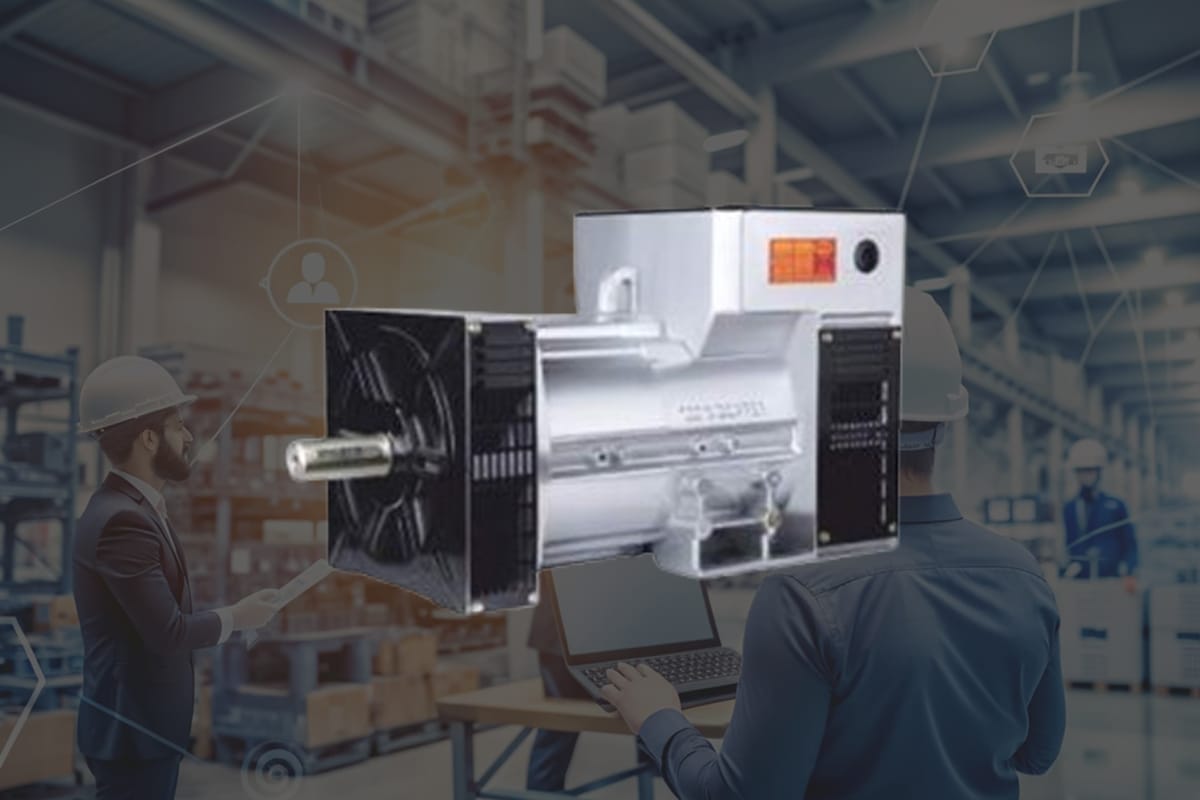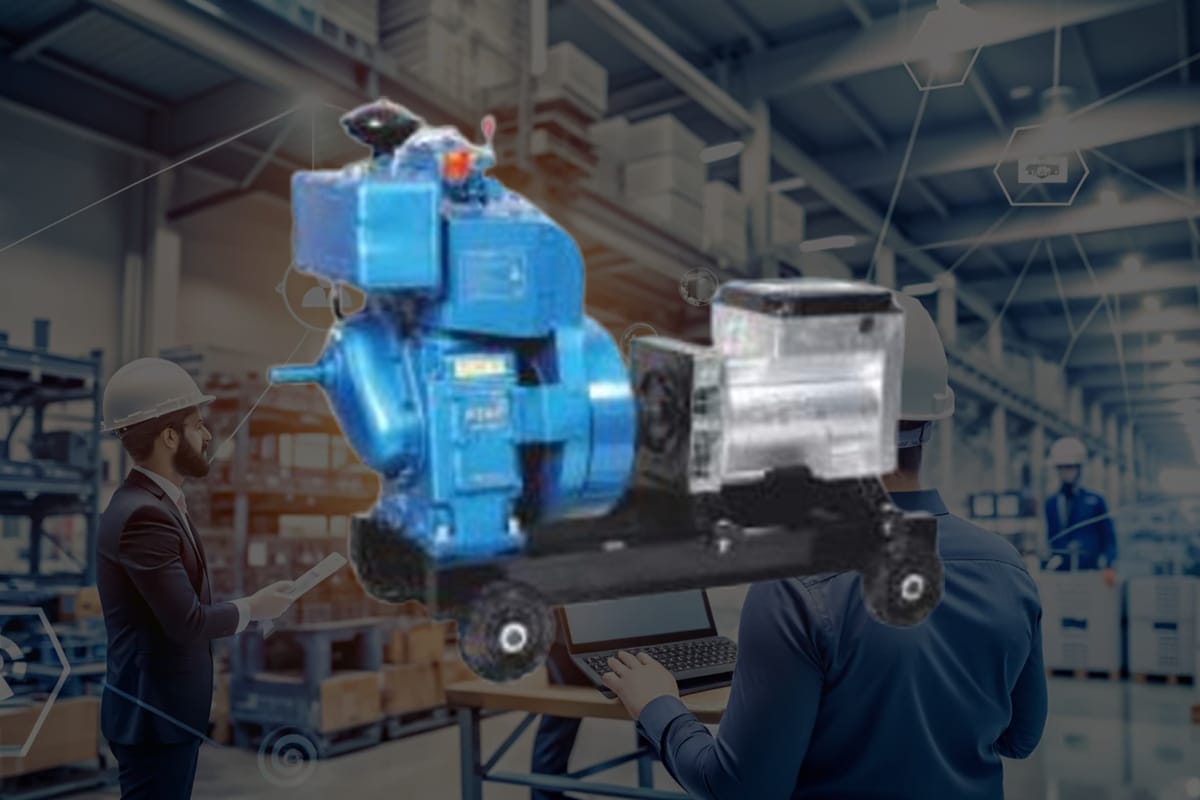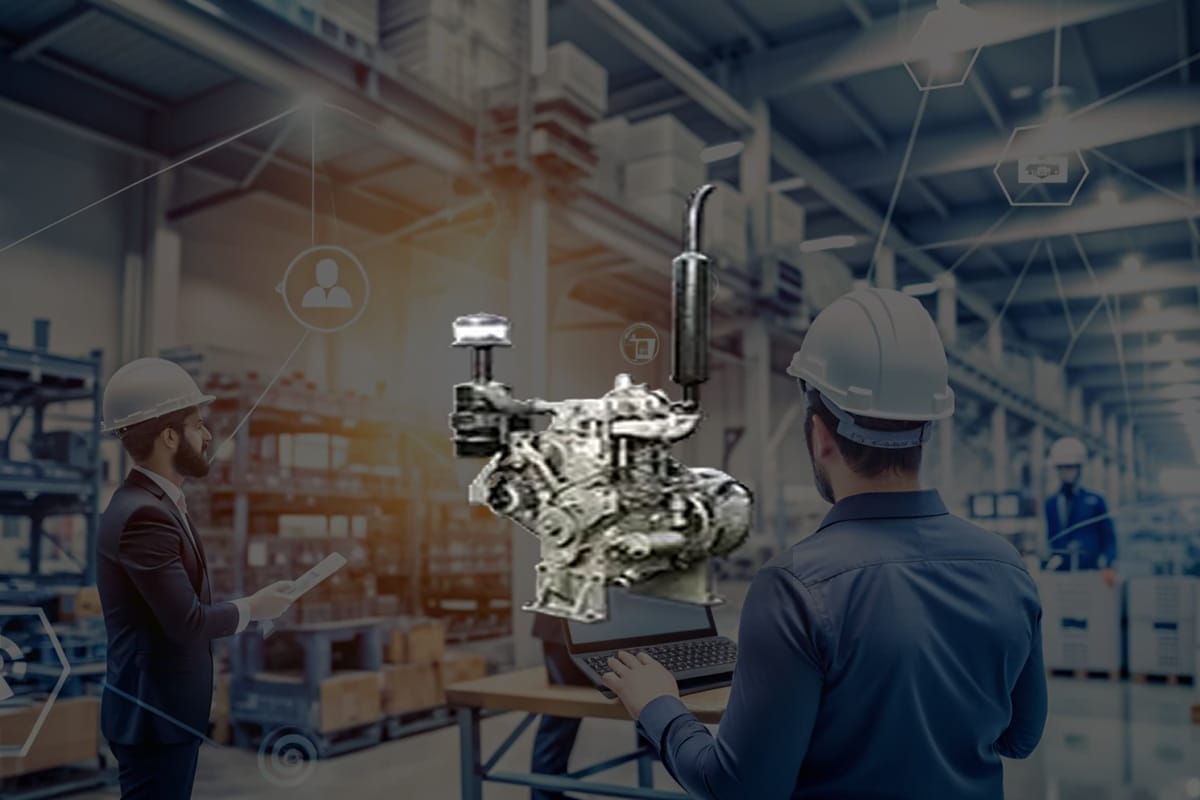
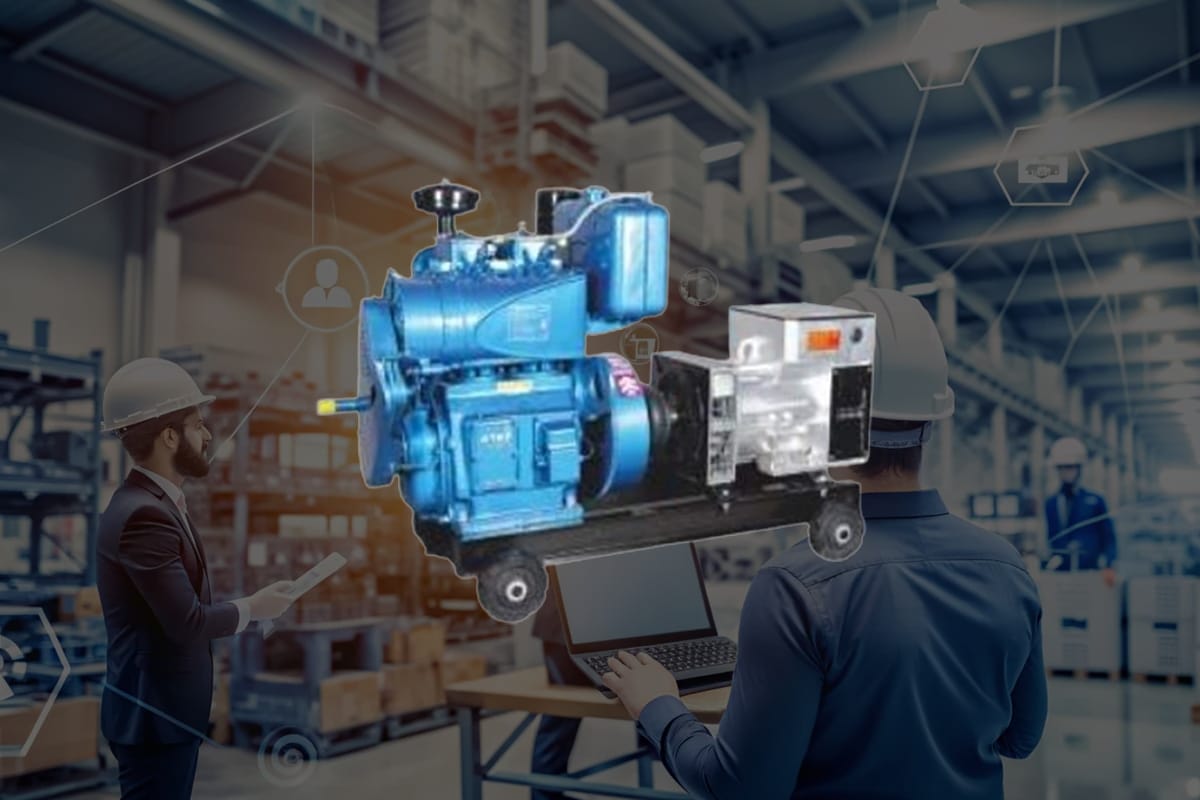
Diesel generators are a reliable power solution for homes, businesses, industrial sites, and remote locations. Whether you need backup power during outages or a primary power source for continuous operation, choosing the right diesel generator is critical for performance, efficiency, and long-term cost savings. This guide walks you through the key factors to consider before making a purchase.
Understand Your Power Requirements
The first step in choosing a diesel generator is determining how much power you need. Generators are rated in kilovolt-amperes (kVA) or kilowatts (kW), and selecting the wrong size can lead to inefficiency or equipment damage.
Start by listing all the appliances or machines you want to run and calculate their total power consumption. Be sure to account for starting (surge) power, especially for motors, pumps, and HVAC systems, which require more power when starting than when running. Oversizing a generator increases fuel costs, while undersizing can cause overloads and frequent shutdowns.
Decide Between Standby, Prime, or Continuous Use
Diesel generators are designed for different operating conditions. Understanding the intended usage helps narrow down the right model.
-
Standby generators are used for backup power during outages.
-
Prime power generators provide power for extended periods where grid electricity is unreliable.
-
Continuous power generators are built for non-stop operation in remote or industrial environments.
Choosing the correct duty type ensures durability and compliance with manufacturer guidelines.
Fuel Efficiency and Operating Costs
Diesel generators are known for fuel efficiency and durability, but operating costs can vary significantly between models. Look for generators with optimized fuel consumption rates, especially if the unit will run for long hours.
Also consider maintenance costs. Diesel engines generally require less frequent maintenance than petrol generators, but factors such as oil changes, filters, and servicing intervals still impact long-term expenses. Choosing a well-supported brand with readily available spare parts can reduce downtime and maintenance costs.
Noise Level and Emissions
Noise and emissions are important considerations, particularly in residential areas or urban environments. Diesel generators can be loud, so checking the decibel (dB) rating is essential. Silent or soundproof generators are ideal where noise restrictions apply.
Emission standards are equally important. Modern diesel generators comply with environmental regulations by using advanced combustion technology and emission control systems. Always ensure the generator meets local emission standards to avoid legal or operational issues.
Portability and Installation Requirements
Depending on your use case, you may need a portable or stationary generator. Portable diesel generators are suitable for construction sites and temporary power needs, while stationary generators are ideal for buildings and industrial facilities.
Installation space, ventilation, and fuel storage should be considered in advance. Proper installation not only improves safety but also enhances generator performance and lifespan.
Safety Features and Control Systems
Modern diesel generators come equipped with advanced safety and control features. Look for models with automatic shutdown for low oil pressure, high temperature, or overload conditions. Automatic Transfer Switches (ATS) are especially valuable for standby generators, allowing seamless power switching during outages.
Digital control panels make monitoring voltage, frequency, fuel levels, and runtime easier, improving operational reliability.
Choose a Trusted Manufacturer
Finally, brand reputation matters. Established manufacturers offer better build quality, warranty support, and service networks. Investing in a trusted brand ensures reliability, especially in critical power applications.
Conclusion
Choosing the right diesel generator involves more than just selecting a power rating. By understanding your power needs, usage type, fuel efficiency, noise levels, safety features, and long-term costs, you can make an informed decision that delivers reliable and efficient power for years to come. A carefully chosen diesel generator is not just a purchase—it’s a long-term investment in uninterrupted power and peace of mind.