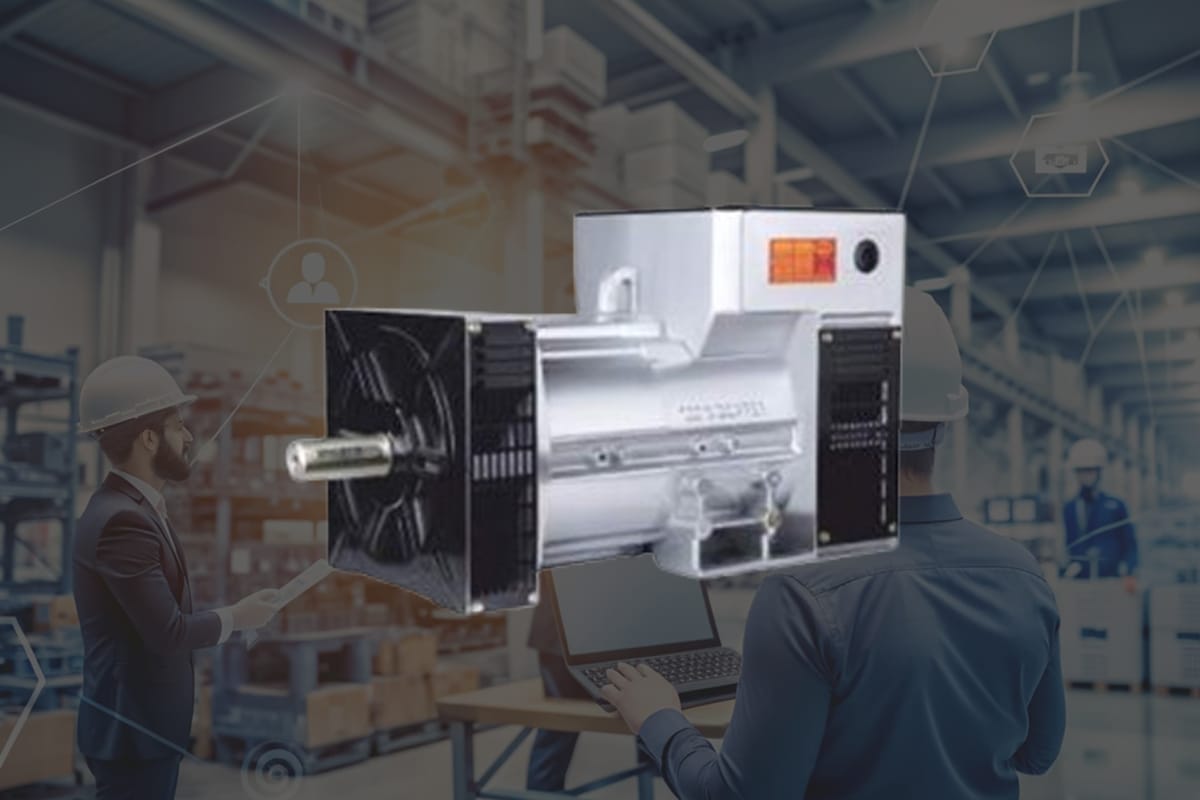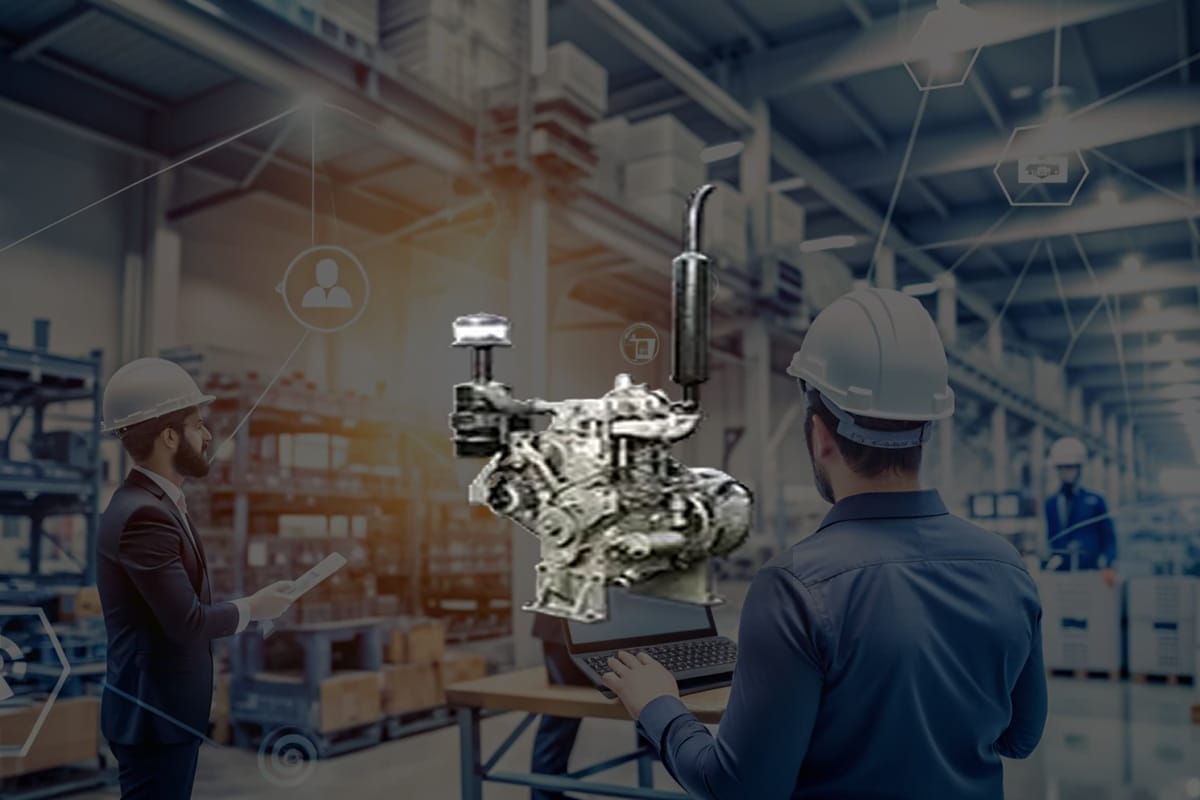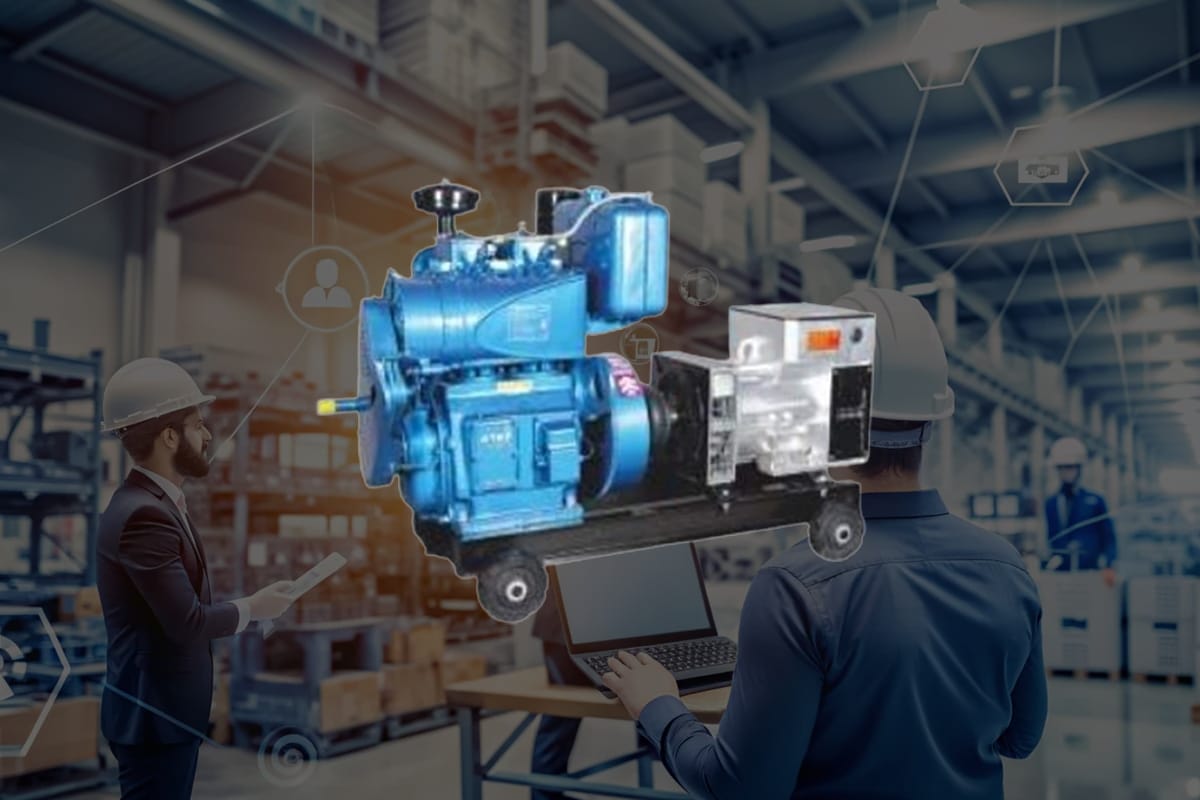
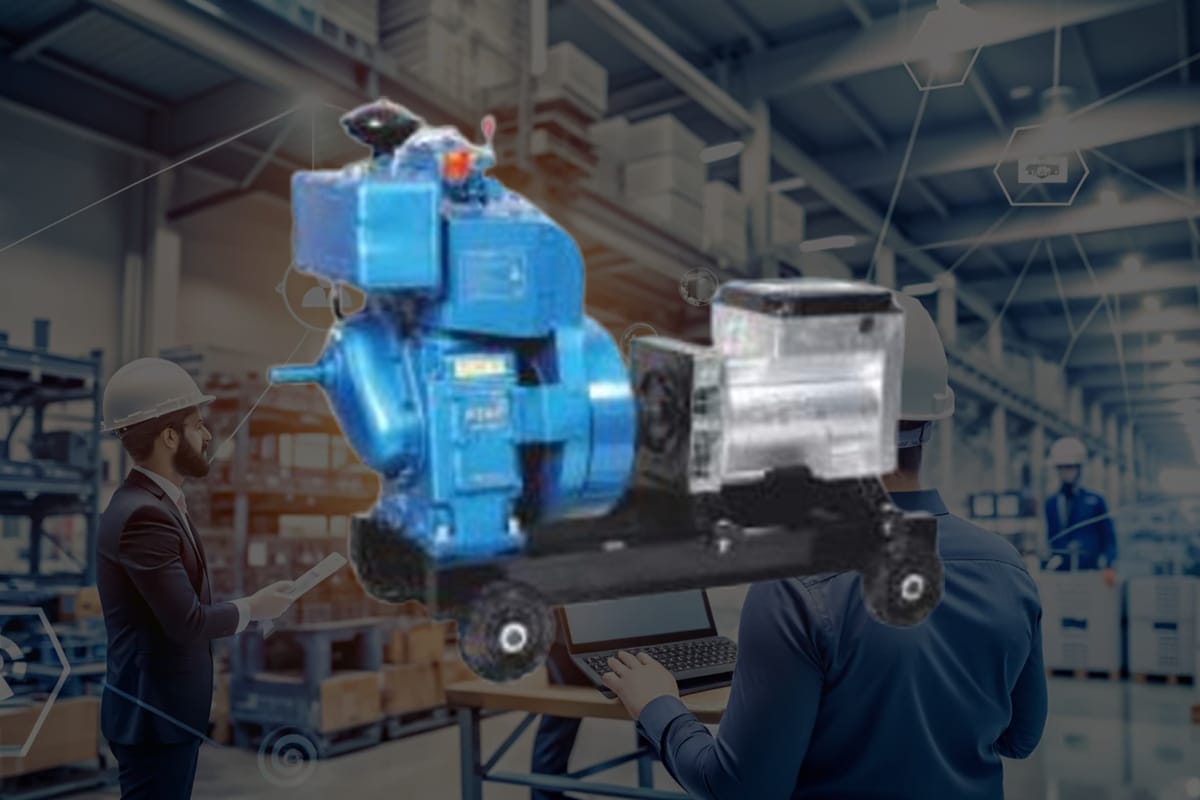
An air cooled diesel engine is a type of internal combustion engine that uses air instead of liquid coolant to regulate engine temperature. Designed for reliability and simplicity, these engines are widely used in agriculture, construction, industrial machinery, and power generation. Their rugged construction and low maintenance requirements make them ideal for demanding environments.
What Is an Air Cooled Diesel Engine?
An air cooled diesel engine dissipates heat directly into the surrounding air through cooling fins on the engine block and cylinder head. Unlike liquid-cooled engines, it does not require a radiator, water pump, or coolant. This simple design reduces system complexity and eliminates the risk of coolant leakage or freezing.
Diesel fuel enables high torque output and fuel efficiency, making air cooled diesel engines suitable for continuous and heavy-duty operations, especially in remote and rural areas.
Key Features of Air Cooled Diesel Engines
Air cooled diesel engines are built for durability and operational simplicity. Their design focuses on performance under harsh working conditions.
Key features include:
-
No radiator or coolant system
-
Strong diesel combustion for high torque
-
Lower maintenance requirements
-
Compact and lightweight design
-
Reliable performance in hot and dusty environments
These engines are engineered to operate consistently where liquid cooling may be impractical or unreliable.
Common Applications
Air cooled diesel engines are used across a wide range of industries due to their versatility.
In agriculture, they power irrigation pumps, threshers, chaff cutters, and other farm equipment. In construction, they are commonly used in compact machinery, compressors, and concrete mixers. These engines are also widely used as prime movers in diesel generator sets, especially in locations with limited access to water.
Their ability to operate independently of a cooling system makes them ideal for mobile and off-grid applications.
Advantages of Air Cooled Diesel Engines
One of the biggest advantages of air cooled diesel engines is low maintenance. With fewer components, there are fewer failure points, resulting in lower downtime and reduced servicing costs.
They perform exceptionally well in dusty, hot, and remote environments. Since there is no coolant, these engines are not affected by freezing temperatures or water shortages. Their compact design also allows for easy installation and transportation.
Fuel efficiency is another key benefit. Diesel engines consume less fuel over long operating hours, making them economical for continuous use.
Air Cooled vs Liquid Cooled Diesel Engines
Air cooled engines are simpler and more rugged, making them suitable for applications where maintenance access is limited. Liquid cooled engines, on the other hand, provide more precise temperature control and are preferred for higher horsepower and heavy continuous loads.
For small to medium power requirements and rugged operating conditions, air cooled diesel engines offer an excellent balance of performance and reliability.
How to Choose the Right Air Cooled Diesel Engine
Selecting the right engine starts with identifying the required horsepower and load type. The engine should match the operational demand to avoid overheating or inefficiency.
Other important factors include fuel consumption, operating environment, noise level, and availability of service support. Choosing an engine from a trusted manufacturer ensures durability, spare parts availability, and long-term support.
Conclusion
An air cooled diesel engine is a practical and dependable power solution for agricultural, industrial, and off-grid applications. Its simple design, low maintenance needs, and ability to perform in extreme conditions make it a preferred choice where reliability matters most. By choosing the right model, users can achieve efficient performance, reduced operating costs, and long-term operational stability.