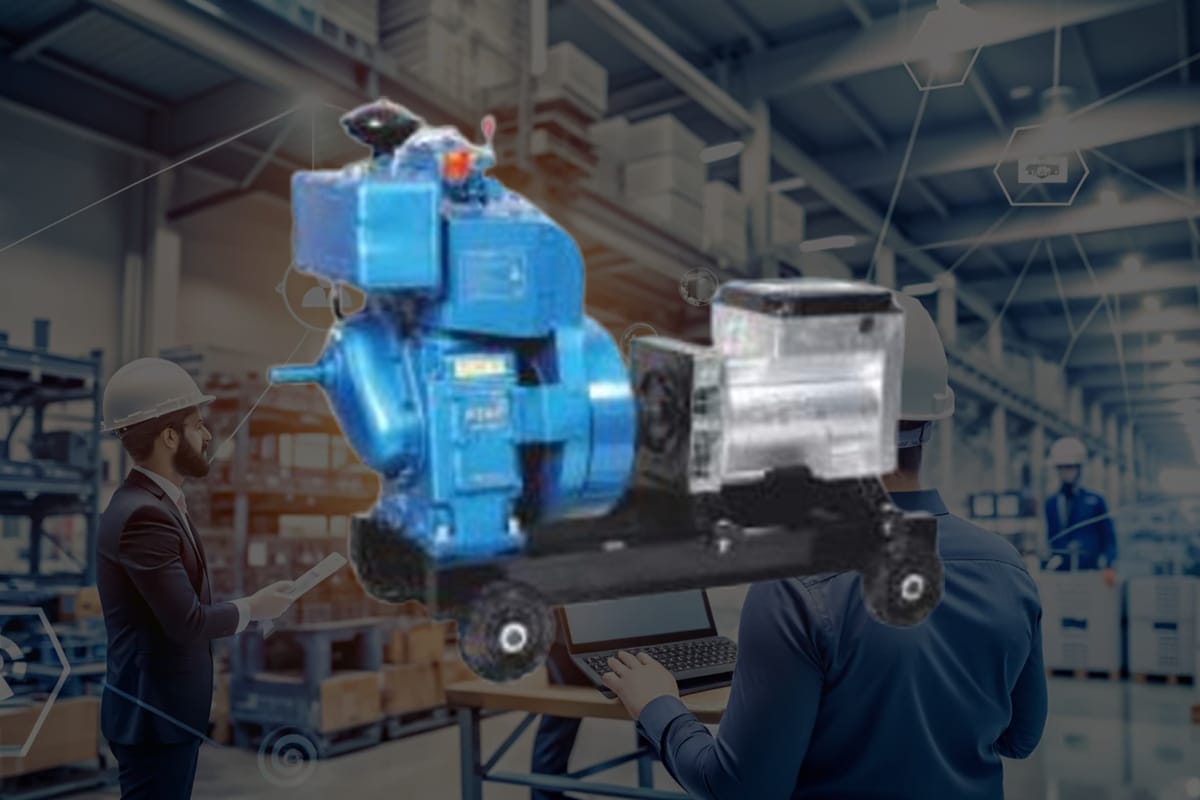
In farming areas, electricity is not something farmers can always rely on. However, there are instances of power outages even while irrigating or operating machinery. This is where Agriculture Diesel Generator come into play.
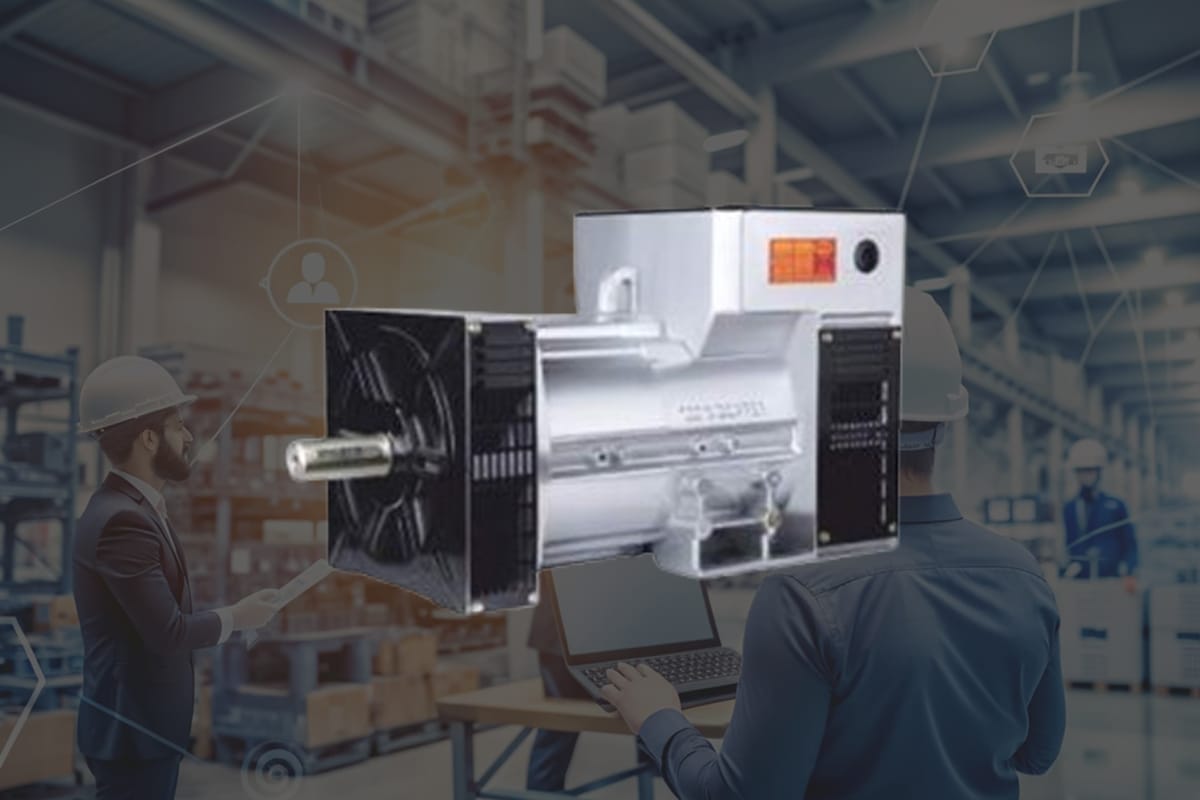
Agriculture Diesel Generators find application in agriculture, tube wells, and farms where uninterrupted power generation is necessary. The main thing that gives Agriculture Diesel Generators importance is not its complicated nature, but its easy operation and the capability of working continuously without the dependency on power lines.
The idea behind them is actually straightforward—convert diesel into usable electricity in a continuous cycle.
The Basic Idea Behind the Working of Agriculture Diesel Generator
The working of Agriculture Diesel Generators starts with one simple process: fuel burning inside an engine.
When diesel burns, it creates energy. This force powers the parts of the engine. The moving parts of the engine will power the alternator to generate electricity.
Consequently, the process through which this mechanism operates can be explained as follows:
Combustion of fuel -> Creation of pressure -> Motion -> Generation of electricity
These are the basic principles that the Agriculture Diesel Generator employs in generating electricity.
Parts of the machinery
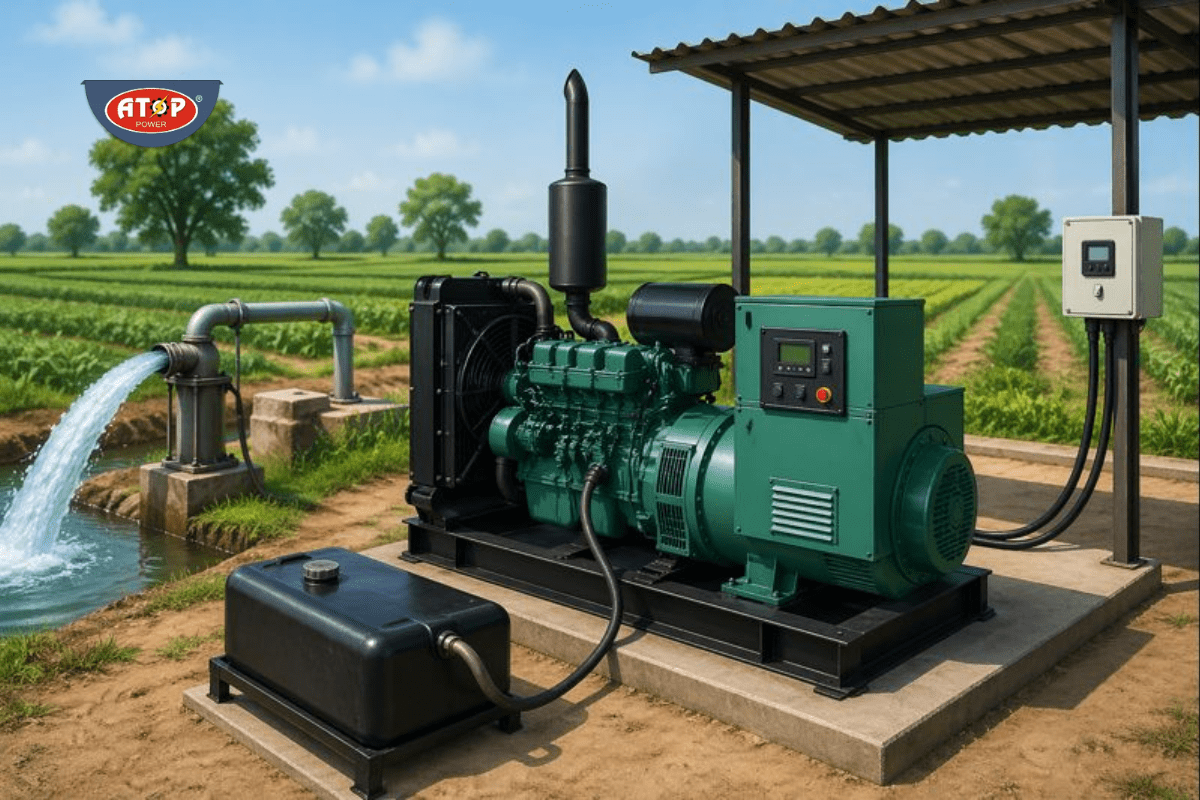
When the construction of the Agriculture Diesel Generator is broken down, there are certain key components that operate collectively.
The engine becomes the source from which the combustion of fuel and the generation of motion take place.
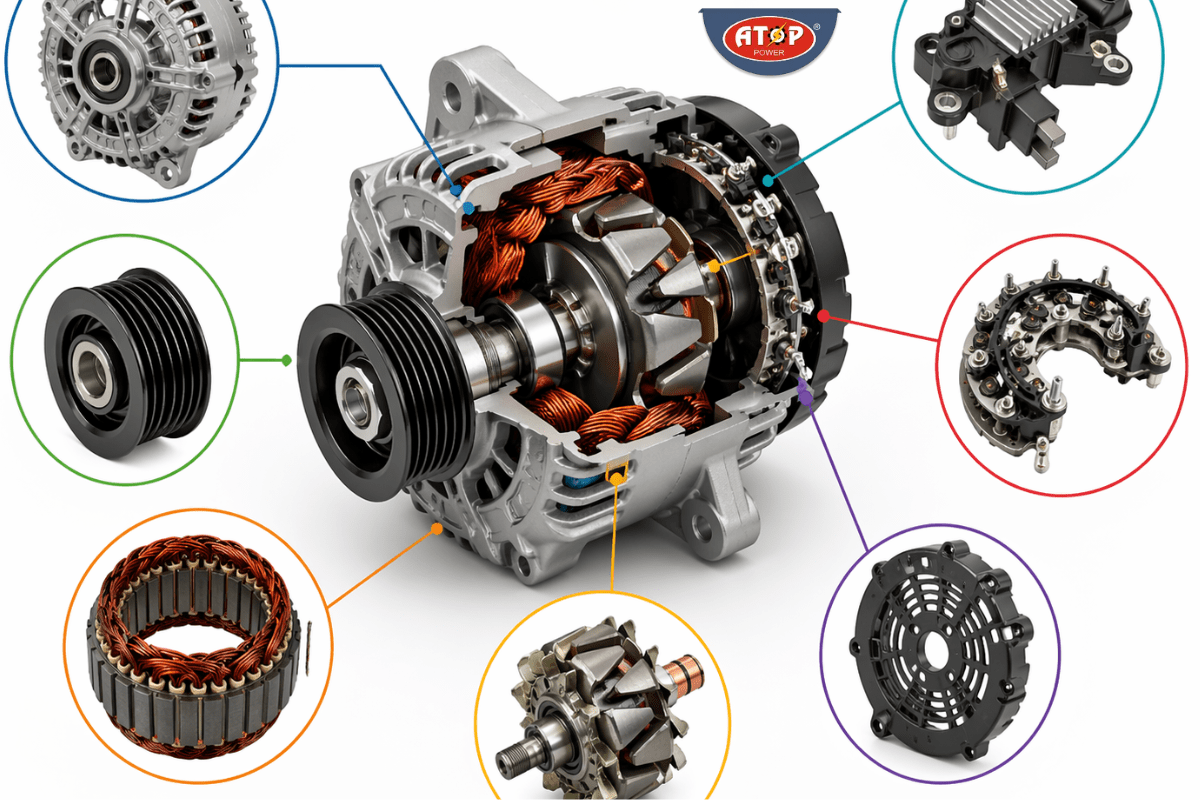
The alternator sits next to it and converts that motion into electricity.
Then there are supporting parts like:
- A fuel tank that stores diesel
- An air intake system that brings clean air
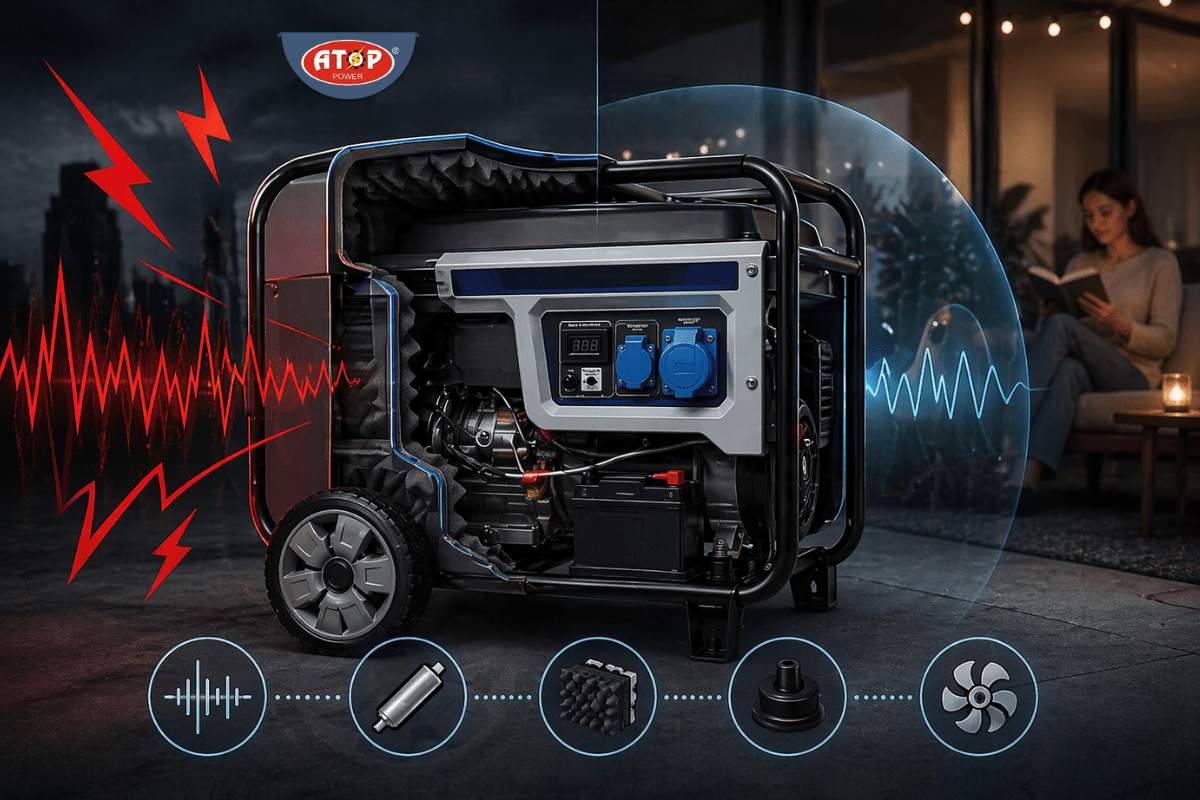
- cooling system that keeps the temperature under control
- control panel for operation
- exhaust system for releasing gases
Nothing works alone here. Every part of the Agriculture Diesel Generators depends on the others.
How It Actually Works Step by Step
When you switch on the Agriculture Diesel Generators, the process begins quietly but quickly.
Air enters the engine cylinder first. Then it gets squeezed tightly inside. This compression raises the temperature of the air without any spark.
After that, diesel is injected. Because the air is already hot, the fuel burns instantly.
This burning creates pressure, and that pressure pushes a piston. The piston starts moving up and down. That movement is what drives the alternator.
Inside the alternator, this motion is converted into electrical energy. That electricity is then supplied to whatever is connected—usually pumps or farm equipment.
As long as fuel keeps flowing, Agriculture Diesel Generators keep repeating this cycle.
Why Farmers Depend on Them
Farming is time-sensitive work. Watering crops cannot wait for electricity to come back. This is one of the reasons why agricultural diesel generators are frequently found in rural settings.
Their primary applications include:
- driving irrigation pumps
- working bore wells
- sustaining field equipment
- keeping farm storage facilities operational
In most cases, electric wires are either poor quality or inaccessible to fields. In such conditions, Agriculture Diesel Generators become a practical backup that keeps work going.
What Affects Their Performance
Even though agricultural diesel generators are strong, they still depend on proper usage.
If the fuel is clean and the load is balanced, they perform smoothly. But if they are overworked or ignored, problems slowly build up.
Some real factors that matter:
- quality of diesel used
- How much load is connected
- condition of the cooling system
- regular servicing habitsWhen these are in control, Agriculture Diesel Generators stay stable and last longer.
Maintenance in Simple Terms
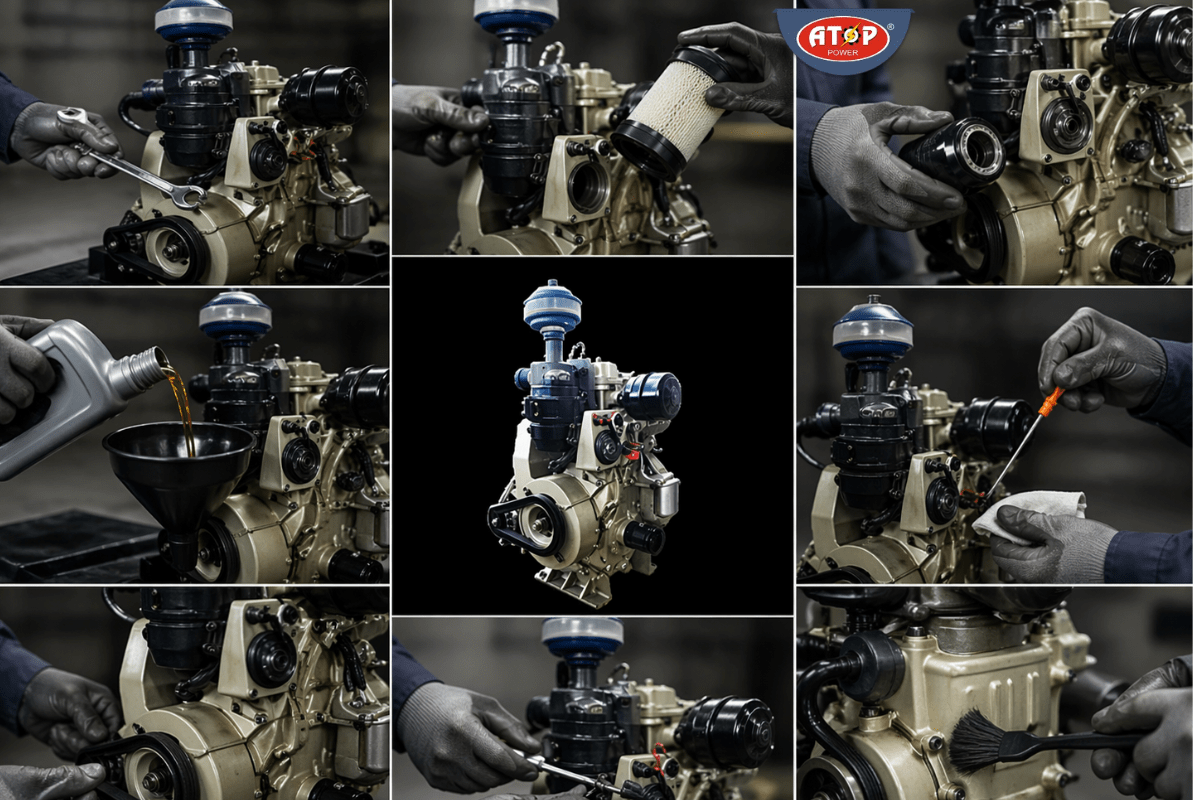
Maintenance is not complicated, but it should not be skipped either.
Most farmers just follow basic checks:
Engine oil is inspected regularly. Air filters are cleaned because dust is common in fields. Fuel lines are kept clean so the flow remains smooth.
The cooling system is checked to avoid overheating. And the generator is never pushed beyond its limit. These small habits are enough to keep Agriculture Diesel Generators working properly for a long time.
Importance Even to the Present
Despite the emergence of solar energy and others, the use of agricultural diesel generators remains prevalent.
This is because they are reliable. They are not dependent on weather conditions or sunlight. You fill diesel, start the machine, and the power is ready.
For farmers, that kind of reliability is still very important.
Conclusion
Agriculture Diesel Generators are not complicated machines, but they are extremely useful in real farming conditions.
They take diesel, convert it into motion, and finally turn that into electricity that keeps farm work running. The process is simple, but the impact is big.
With proper use and basic care, Agriculture Diesel Generators continue to support agriculture in a very practical way, especially where electricity is uncertain.
FAQs
1. What do agricultural diesel generators mainly do?
They generate electricity for farm work using diesel.
2. Are they hard to operate?
No, they are quite simple to start and use.
3. Can they run for long hours?
Yes, they are designed for continuous farm use.
4. What fuel do they use?
Only diesel.
5. Why are they important for farmers?
Because they provide power when electricity is not available.