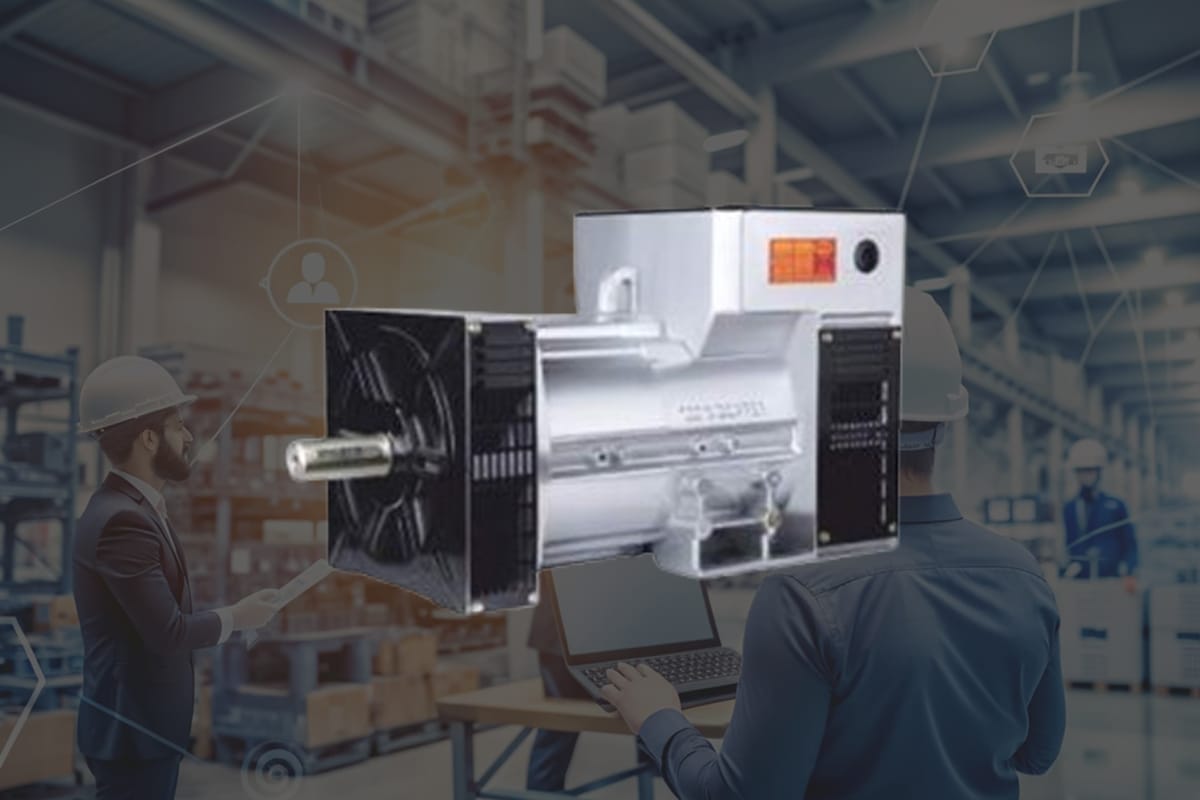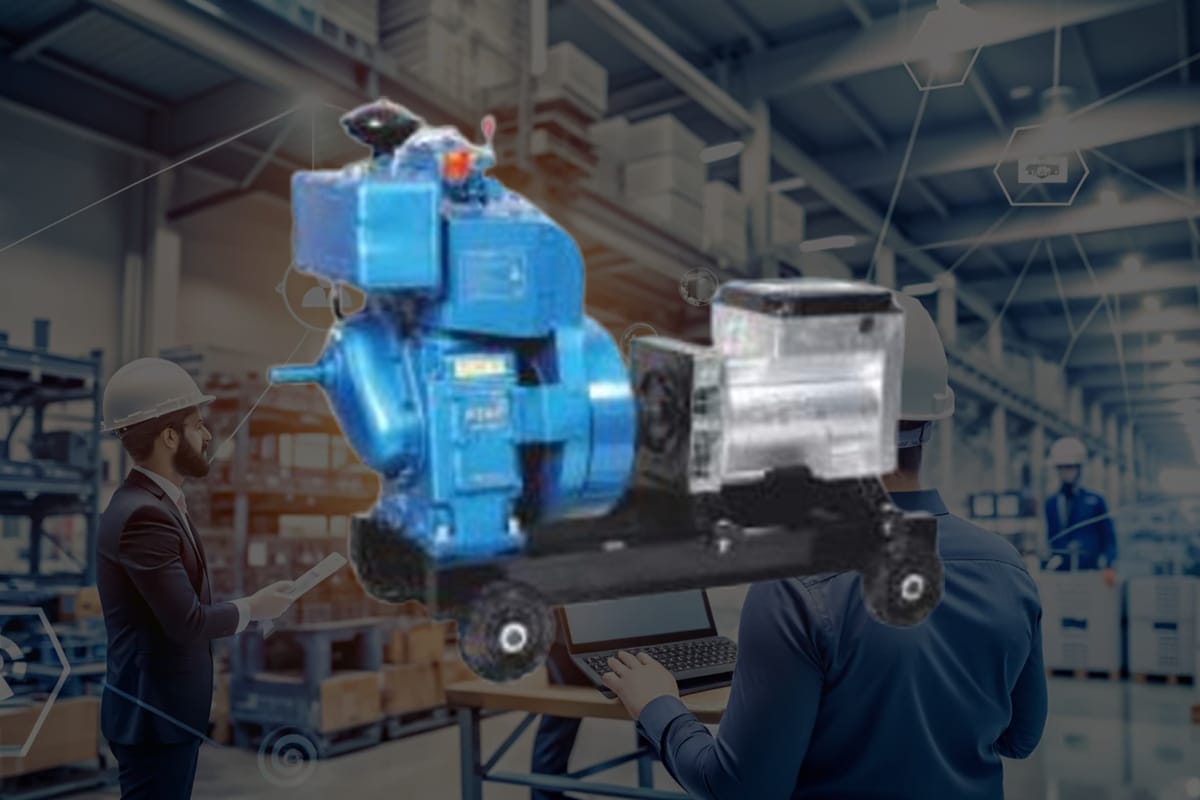
Power cuts and backup systems are common in daily life, and that’s where machines like an Alternator Generator come into use. It is a key part of any generator setup because it is responsible for producing electricity.
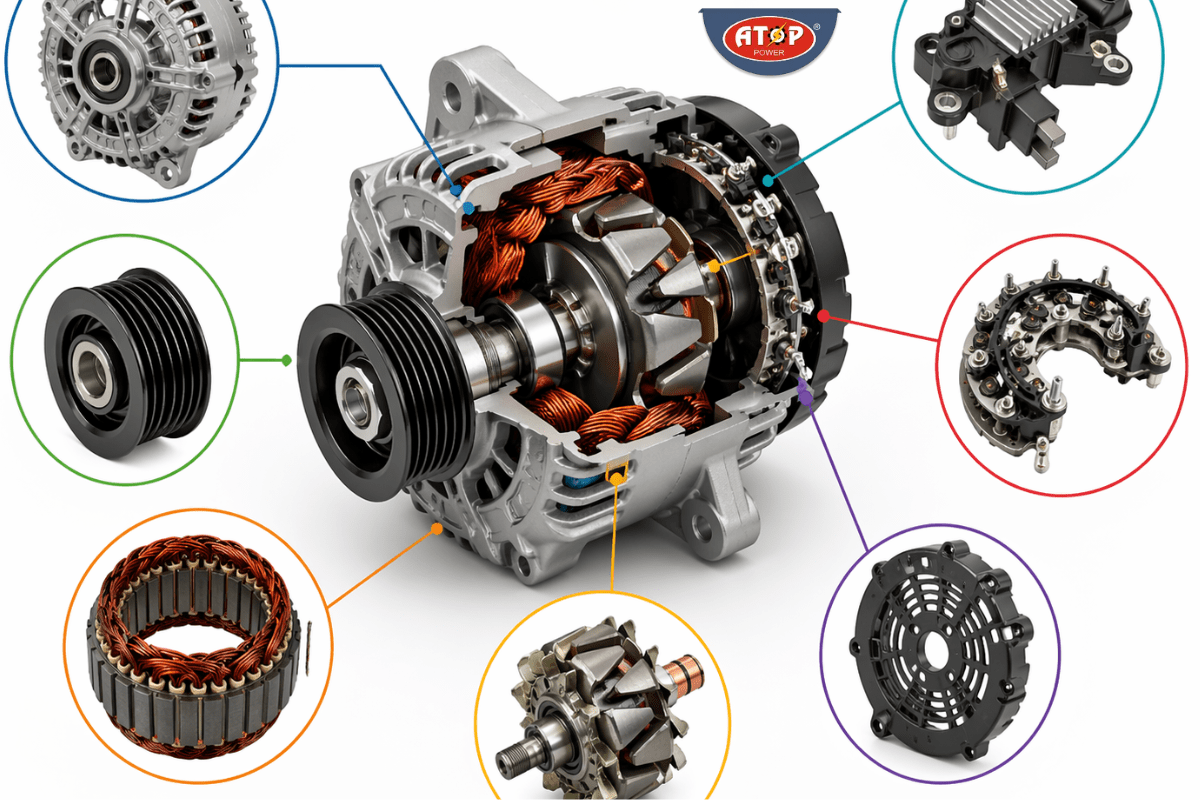
On initial observation, the Alternator Generator appears to be a one-piece product. This is not the case, since there are a number of different components that operate together in the product. The performance of the device depends on the functioning of these components.
Understanding these components is not just for engineers. Even a basic idea can help in better usage and maintenance.
A Simple Idea Before We Go Inside
Before jumping into parts, it helps to understand one basic thing. An Alternator Generator does not create energy from nothing. It simply converts mechanical energy into electrical energy.
An engine rotates the internal parts, and that movement is turned into electricity. This process keeps repeating as long as the system runs.
Next, let us have an overview of what makes it happen.
Stator – The Stationary Element that Generates Electricity
The stator is one of the components in the Alternator Generator that stays stationary but is key in generating electricity.
Inside the stator are copper coils or windings, which produce electricity due to the changing magnetic field generated by the rotating element around them.
Simply put, it is the component where electricity is made.
Rotor – The Rotating Element that Initiates the Process
The rotor is the rotating element found in the Alternator Generator that produces the magnetic field as it rotates.
This rotation is vital as electricity generation is impossible without it because of the absence of changes in the magnetic field.
In simpler terms, the rotor maintains the whole process.
Exciter – The Starting Support
The exciter may not be very visible, but it plays an important role in the Alternator Generator.
This device supplies the first current required for creating the magnetic field in the rotor. The generator would not be able to start working without this push.
After the operation starts, the exciter maintains a continuous flow.
Voltage Regulator – Keeping Things Stable
Electricity needs to be controlled. Too much or too little voltage can damage equipment. That is why the Alternator Generator uses a voltage regulator.
This component continuously adjusts the voltage output. Even if the load changes, it keeps the supply stable.
Because of this, devices connected to the system stay safe.
Bearings – A Little Part with a Great Importance
Bearings are usually neglected, but they are quite important to the operation of an Alternator Generator.
It is responsible for holding the shaft in place and decreasing friction. Good bearings also reduce noise and wear over time.
Cooling System – Handling the Heat
Heat is a natural result of operation. When an Alternator Generator runs for long hours, the temperature increases.
To manage this, a cooling system is used. The alternator generator can either be air-cooled or water-cooled, depending on the device used.
This mechanism serves as a way of preventing overheating and ensuring stability in the output.
Frame – The Protective Frame
The outer part of the Alternator Generator is referred to as the frame. It is responsible for keeping all other components intact.
The frame assists in the proper handling and installation of the alternator generator, making it more durable.
How They Function Together
All the components of the Alternator Generator have an interrelated working procedure.
The engine rotates the rotor. The rotor creates a magnetic field. That field interacts with the stator and produces electricity.
At the same time, the exciter supports the process, the voltage regulator controls output, bearings allow smooth rotation, and the cooling system manages heat.
Because of this coordination, the Alternator Generator can deliver steady power.
Also, Industrial Generator solutions ensure reliable and efficient power supply across various heavy-duty applications.
Why Knowing These Parts Helps
Understanding the components of an Alternator Generator makes a difference in real use.
It helps in spotting problems early. It also makes maintenance easier. When you know what each part does, handling the machine becomes more practical. Knowledge can even prevent errors.
Conclusion
An alternator generator is not a single device but rather a combination of properly connected parts, each performing specific functions. All of them work in harmony to generate power.
The rotor spins while the stator remains stationary, generating power. When these parts are in good condition, the system runs smoothly without interruption.
That is why understanding an Alternator Generator at a component level is always useful.
FAQs
1. What does an alternator generator do?
It converts mechanical energy into electrical energy.
2. Which part actually produces electricity?
The stator produces electricity.
3. Why is the rotor important?
It creates the magnetic field by rotating.
4. What happens if the voltage is not controlled?
Devices can get damaged due to an unstable supply.
5. Does it need regular maintenance?
Yes, basic maintenance keeps it working properly.